Exam Elaborations
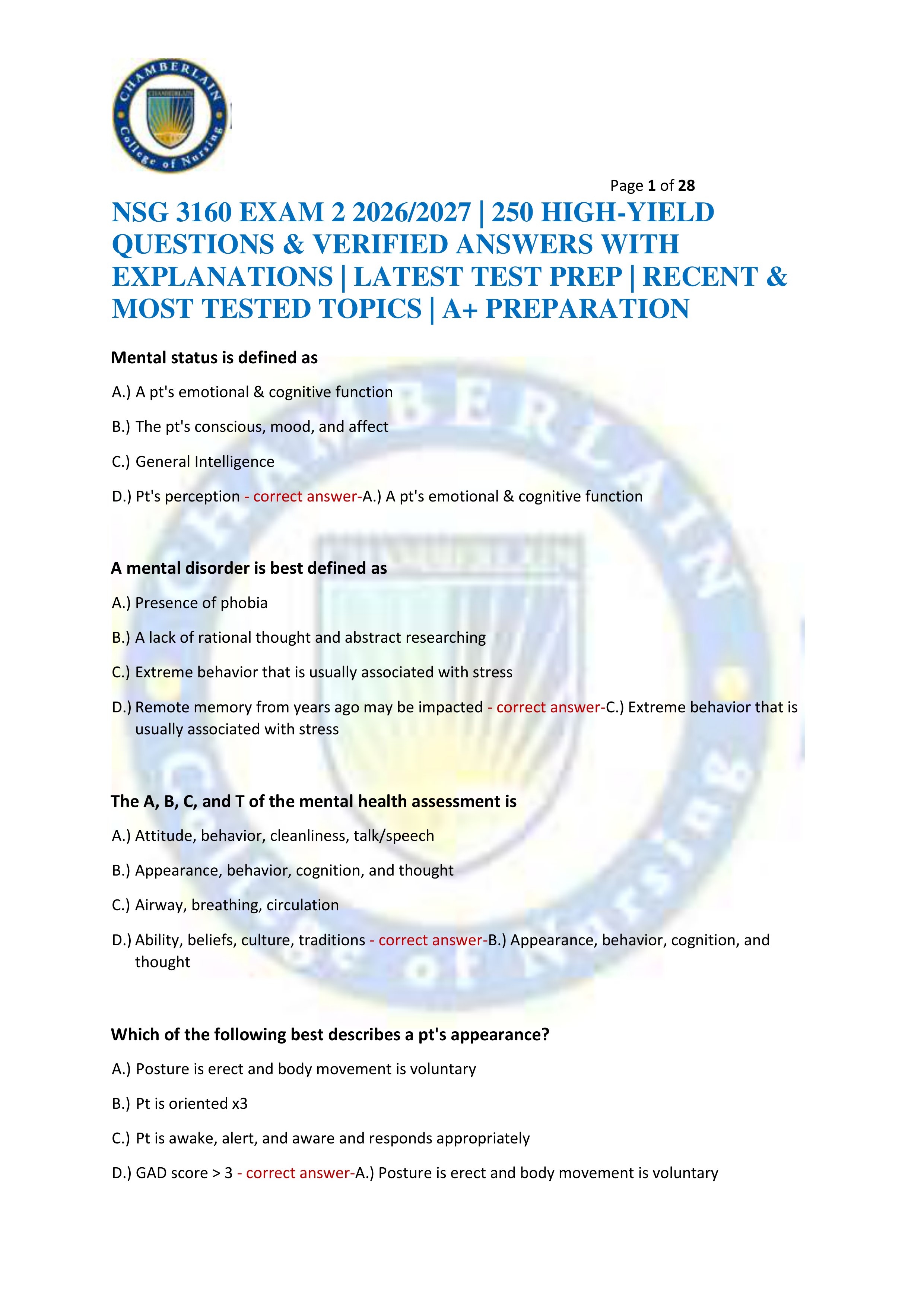
Pathophysiology Exam2 NEWEST 2026/2027 ACTUAL EXAM 180 QUESTIONS AND CORRECT (VERIFIED ANSWERS) COVERING RECENT AND MO
Preview
Page 1 of 42
Sample · 7/42
Click to enlarge Pages 2–3 · locked
Click to enlarge Pages 5–12 · locked
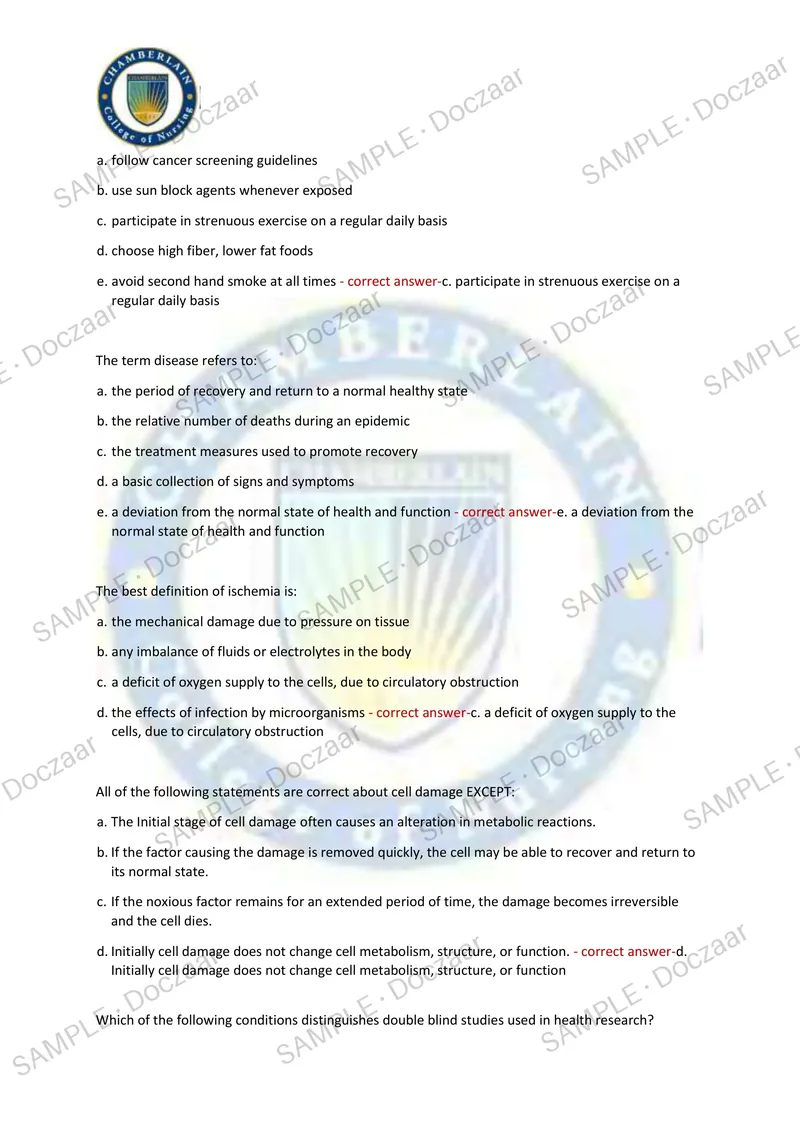
Click to enlarge Pages 14–19 · locked
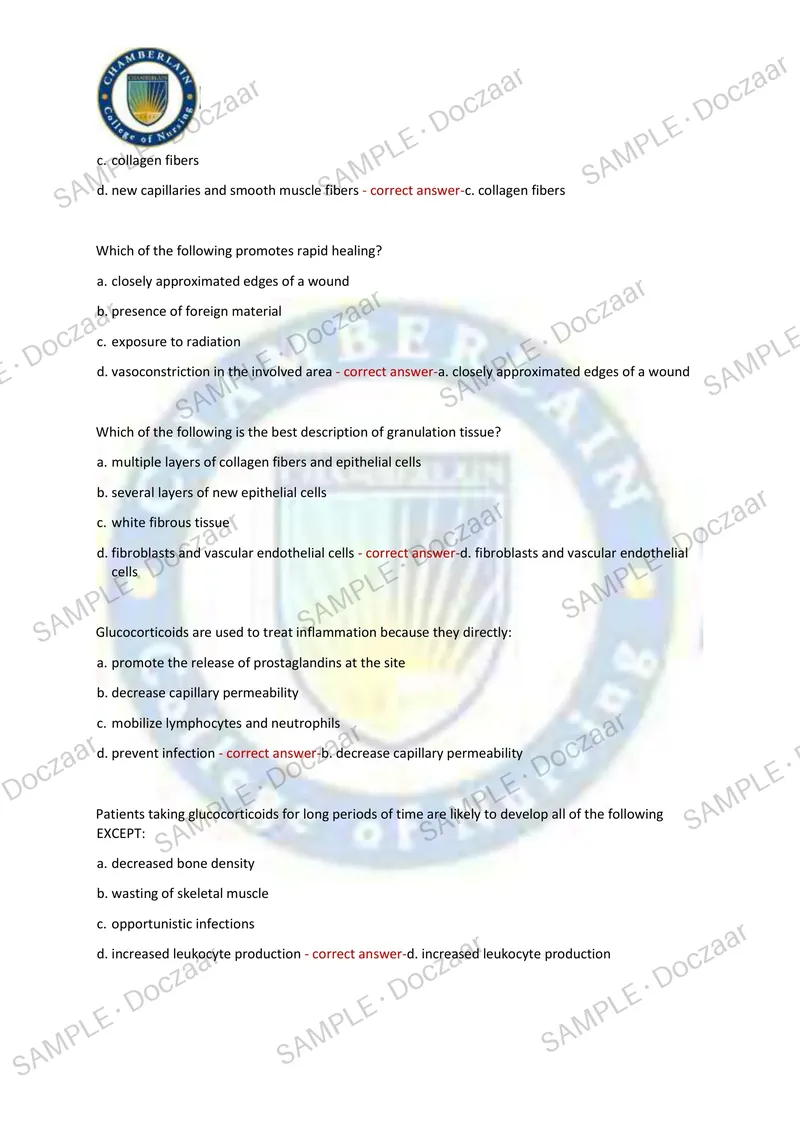
Click to enlarge Pages 21–26 · locked
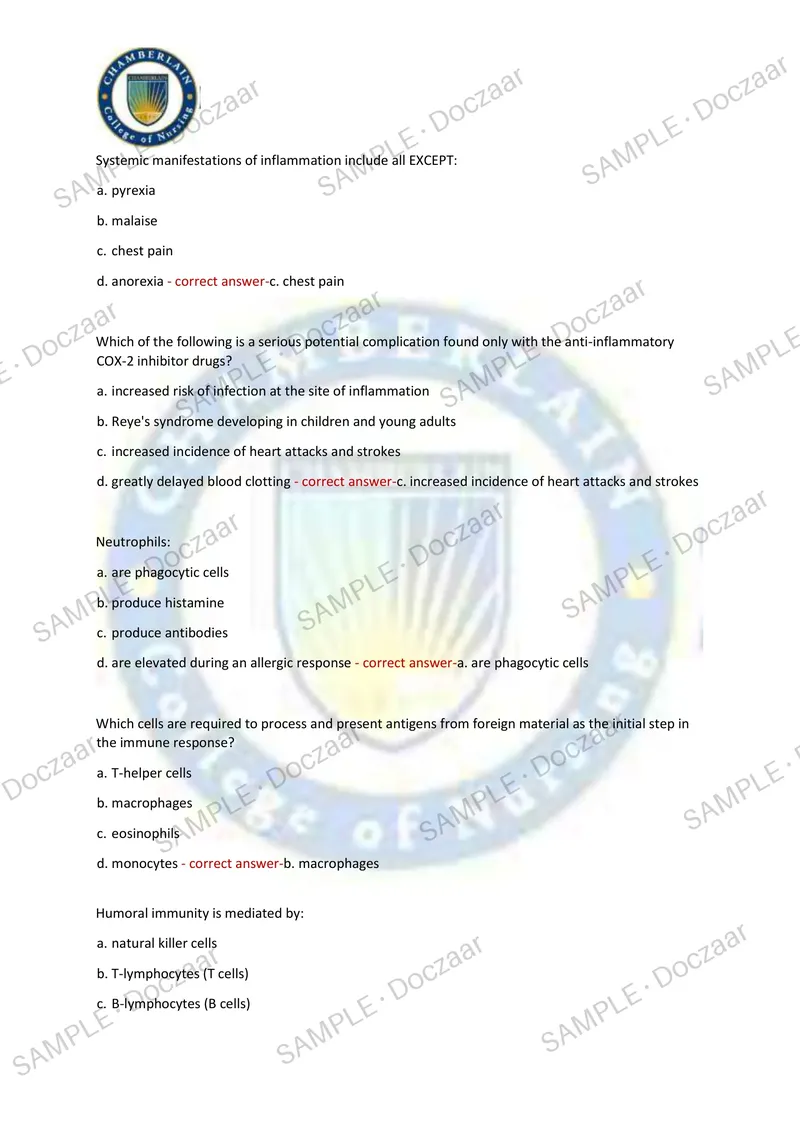
Click to enlarge Pages 28–33 · locked
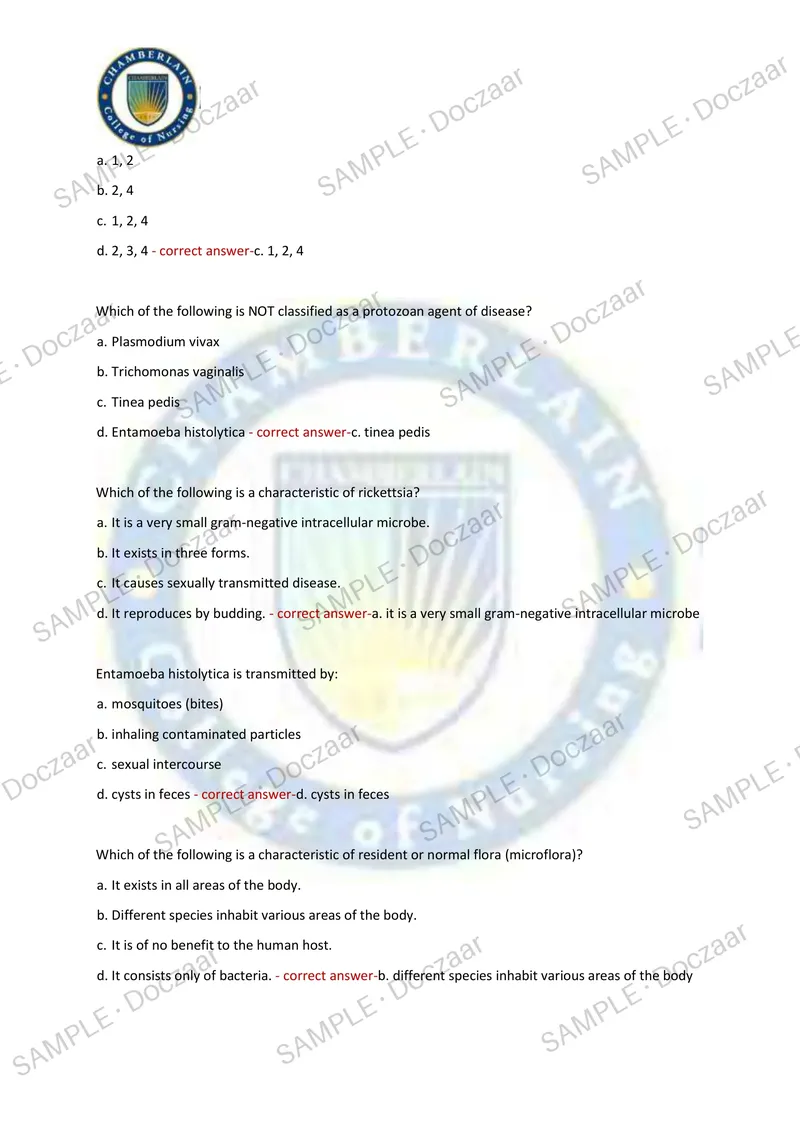
Click to enlarge Pages 35–39 · locked
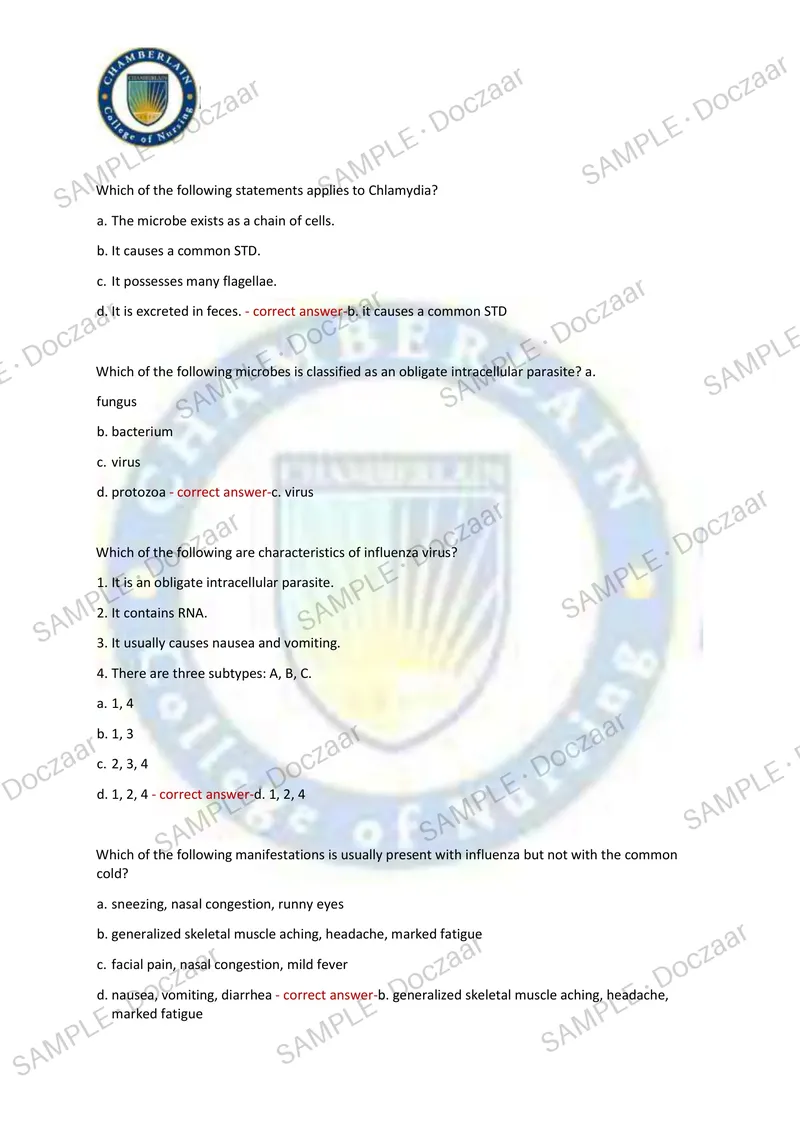
Click to enlarge
Continued
35 more pages
Locked · Full 42-page document
About this document
This document serves as an essential study guide for students preparing for the Pathophysiology Exam 2 for the 2026/2027 academic year. It contains 180 verified questions and answers, focusing on the most recent and frequently tested topics in pathophysiology. With a grading of A+, this material is invaluable for understanding complex pathophysiological concepts and their applications in clinical scenarios.
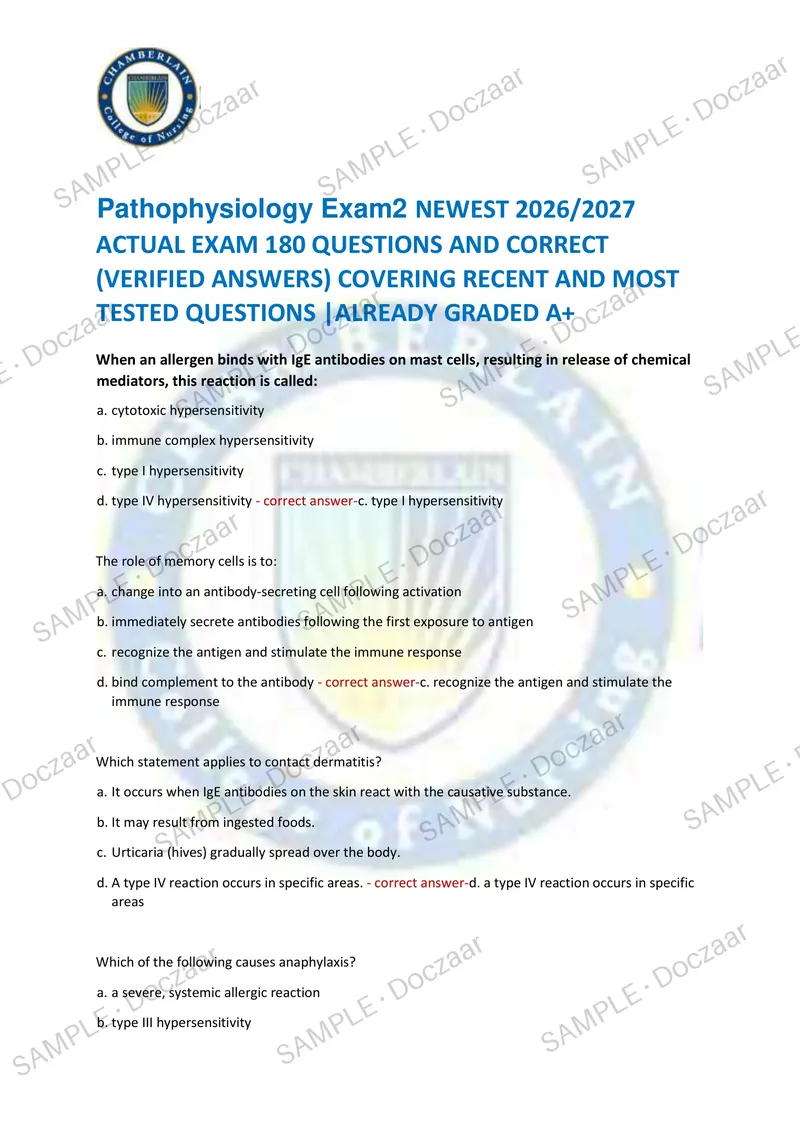
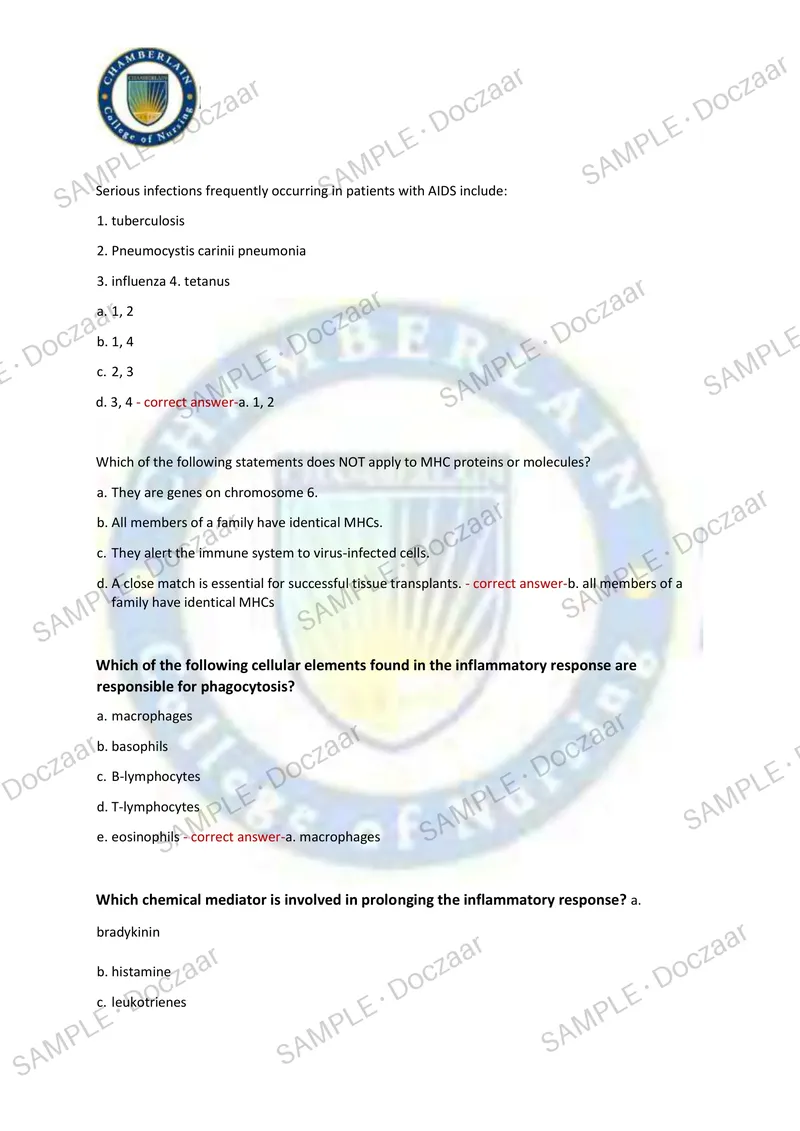
Key topics covered include hypersensitivity reactions, such as type I hypersensitivity characterized by allergen-IgE interactions on mast cells, and type IV reactions, which are localized and occur in specific areas. The document also explains the immune system's mechanisms, highlighting the role of memory cells in recognizing antigens and stimulating immune responses.
The guide delves into the etiology, or the causes of diseases, and covers cellular changes like hypertrophy, which involves an increase in cell size, and dysplasia, marked by varied cell sizes and shapes with increased mitotic figures. It also describes necrosis as the death of a group of cells in the body.
Furthermore, the document addresses inflammation, detailing how edema results from increased fluid and protein in the interstitial compartment, and highlights the chemical mediators involved, such as histamine and prostaglandins. It also describes granulomas as small masses of cells with a necrotic center, part of the immune response.
This comprehensive guide is a must-have for students aiming to excel in their pathophysiology exams, offering clear explanations and verified answers to enhance learning and understanding of critical pathophysiological processes.
Reviews
No reviews yet.
Be the first — reviews come from verified buyers.