Exam Elaborations
NUR 131 EXAM 2026/2027 | 100 HIGH-YIELD QUESTIONS & VERIFIED ANSWERS | LATEST TEST PREP | RECENT & MOST TESTED TOPICS |
Preview
Page 1 of 26
Sample · 4/26
Click to enlarge Page 2 · locked
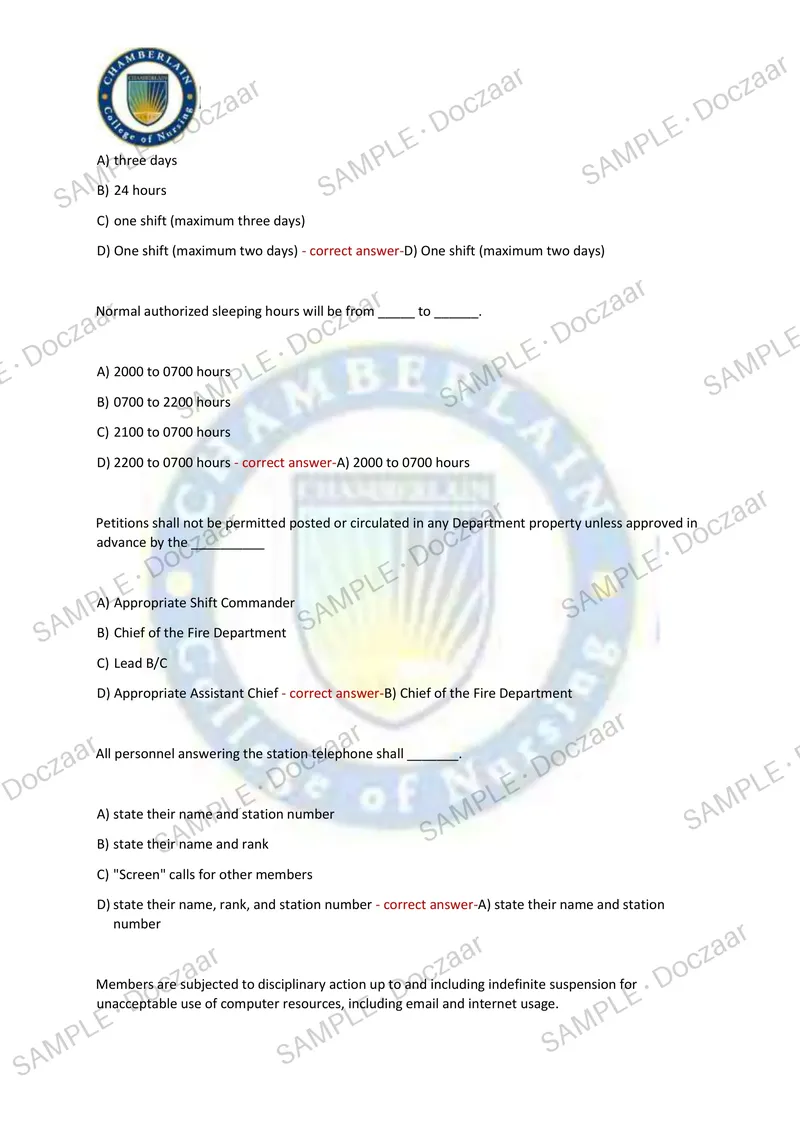
Click to enlarge Pages 4–13 · locked
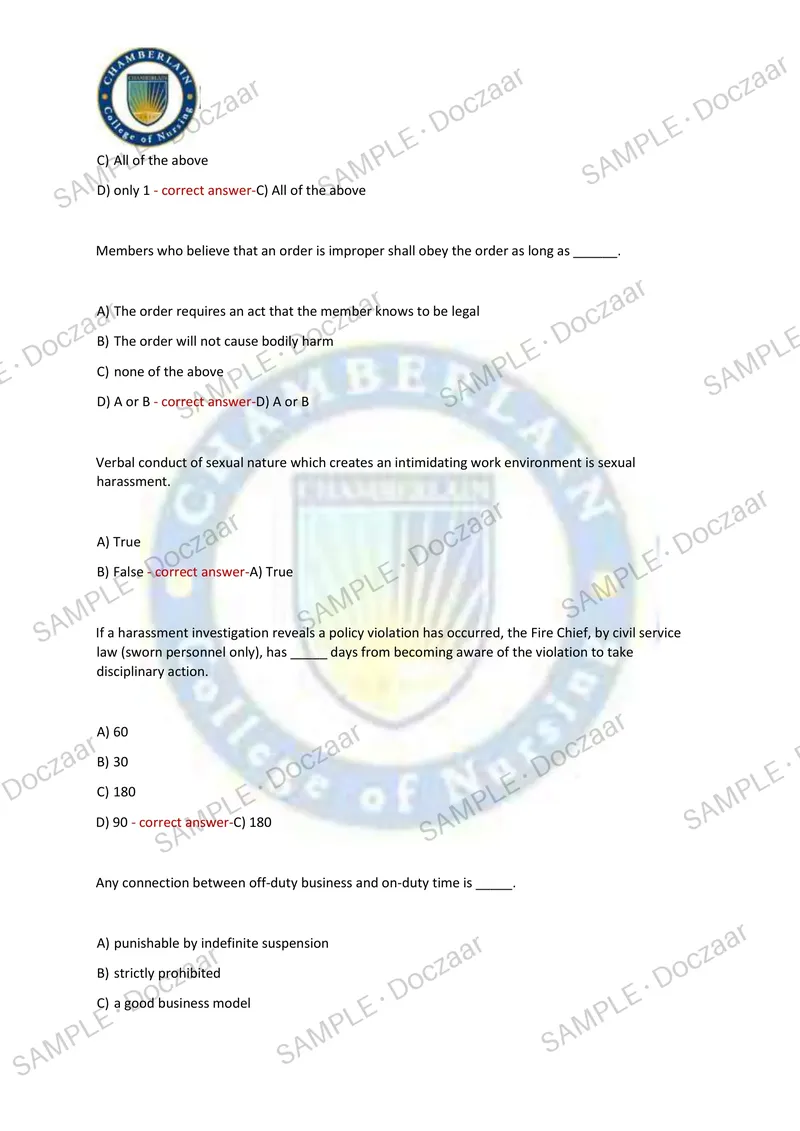
Click to enlarge Pages 15–19 · locked
Click to enlarge
Continued
22 more pages
Locked · Full 26-page document
About this document
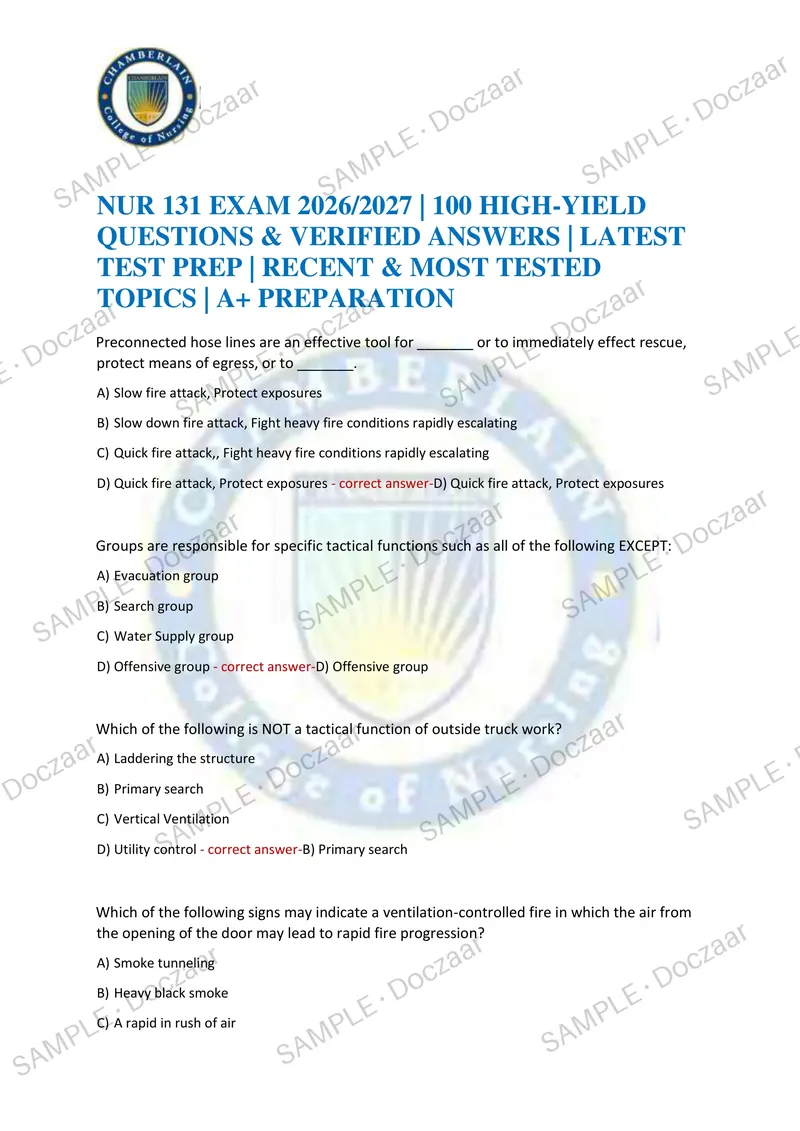
The NUR 131 Exam for 2026/2027 is a comprehensive guide tailored for nursing students, featuring 100 high-yield questions with verified answers. This latest test preparation resource focuses on recent and most-tested topics, ensuring an A+ preparation for students aiming to excel in their exams. The document delves into practical scenarios, such as the use of preconnected hose lines for quick fire attack and protecting exposures, highlighting their efficacy in emergency fire situations.
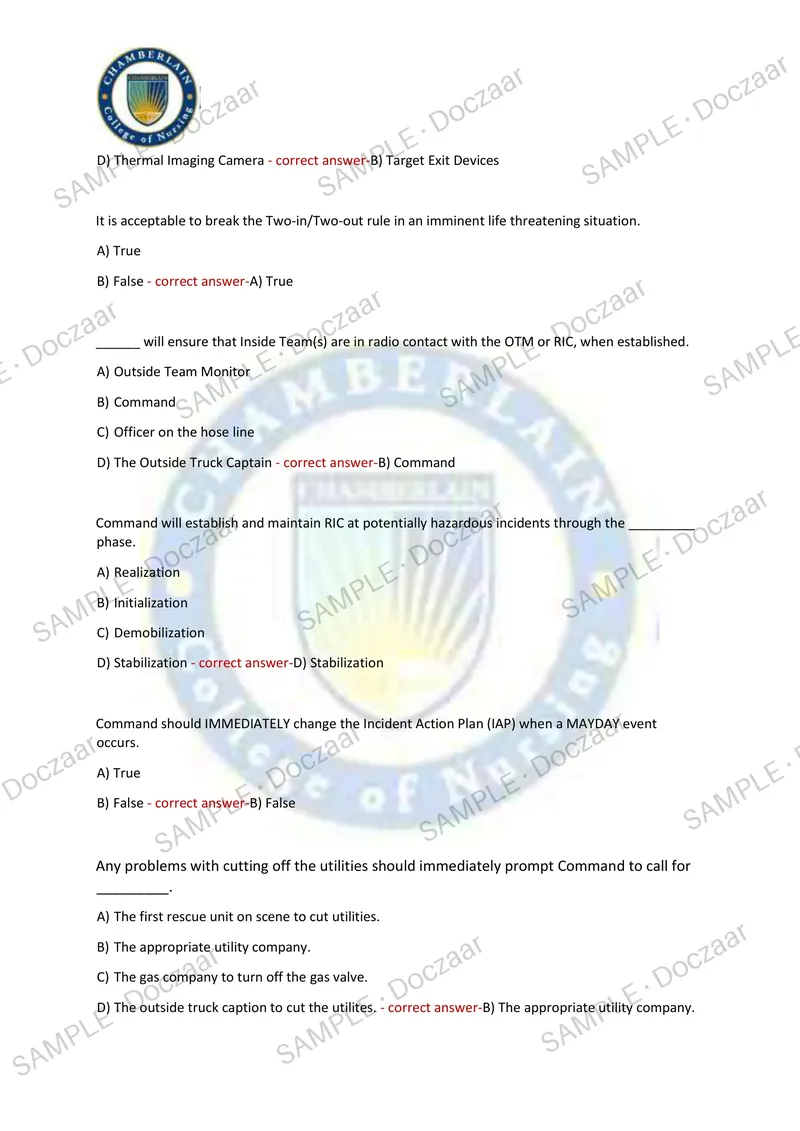
The guide covers various tactical functions and responsibilities, emphasizing the role of groups in fire management, such as evacuation and water supply, while clarifying misconceptions about the offensive group's function. It also examines outside truck work, detailing non-tactical functions like primary search, and provides guidance on ventilation-controlled fires by identifying signs like heavy black smoke and rapid inrush of air.
Moreover, the document discusses safety protocols, such as wearing ANSI-compliant traffic vests in traffic proximity and appropriate use of mid-rise procedures for structures with four or more floors. It emphasizes the importance of a 360-degree hot lap for hazard assessment and introduces the LCES acronym (Lookout, Communication, Escape Routes, Safety Zones) crucial for wildland firefighting.
Additionally, it offers insights into elevator safety during firefighting, advising against using elevators for floors eight and below, and outlines conditions for shutting down sprinkler systems post-fire extinguishment. The guide also includes best practices for using thermal imaging cameras (TICs) and highlights the recommended duration for rehab during firefighting operations.
Reviews
No reviews yet.
Be the first — reviews come from verified buyers.
Related documents
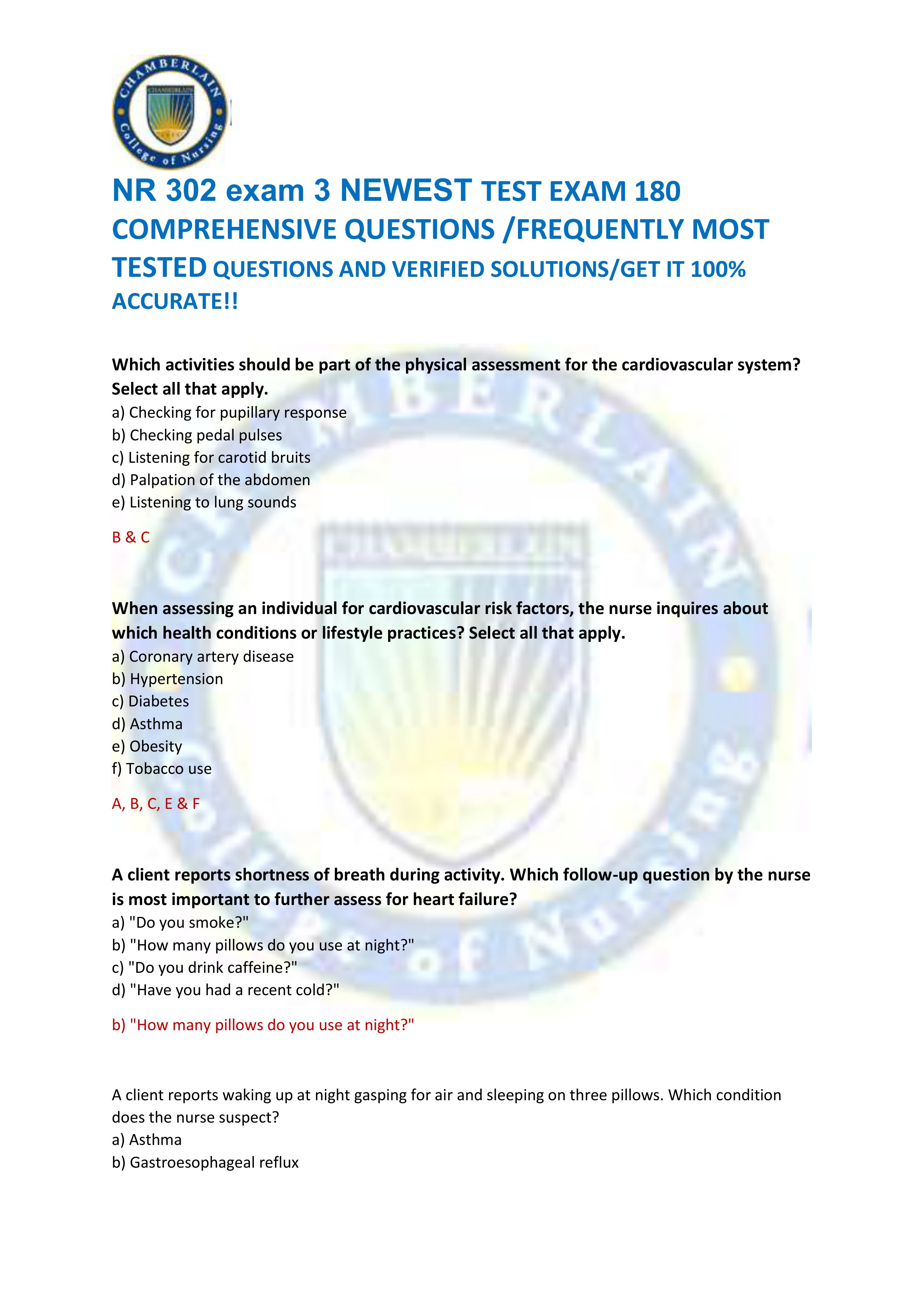
NR 302 exam 3 NEWEST TEST EXAM 180 COMPREHENSIVE QUESTIONS /FREQUENTLY MOST TESTED QUESTIONS AND VERIFIED SOLUTIONS/GE
Walden University · Nursing and midwifery
41 pagesUndergraduate
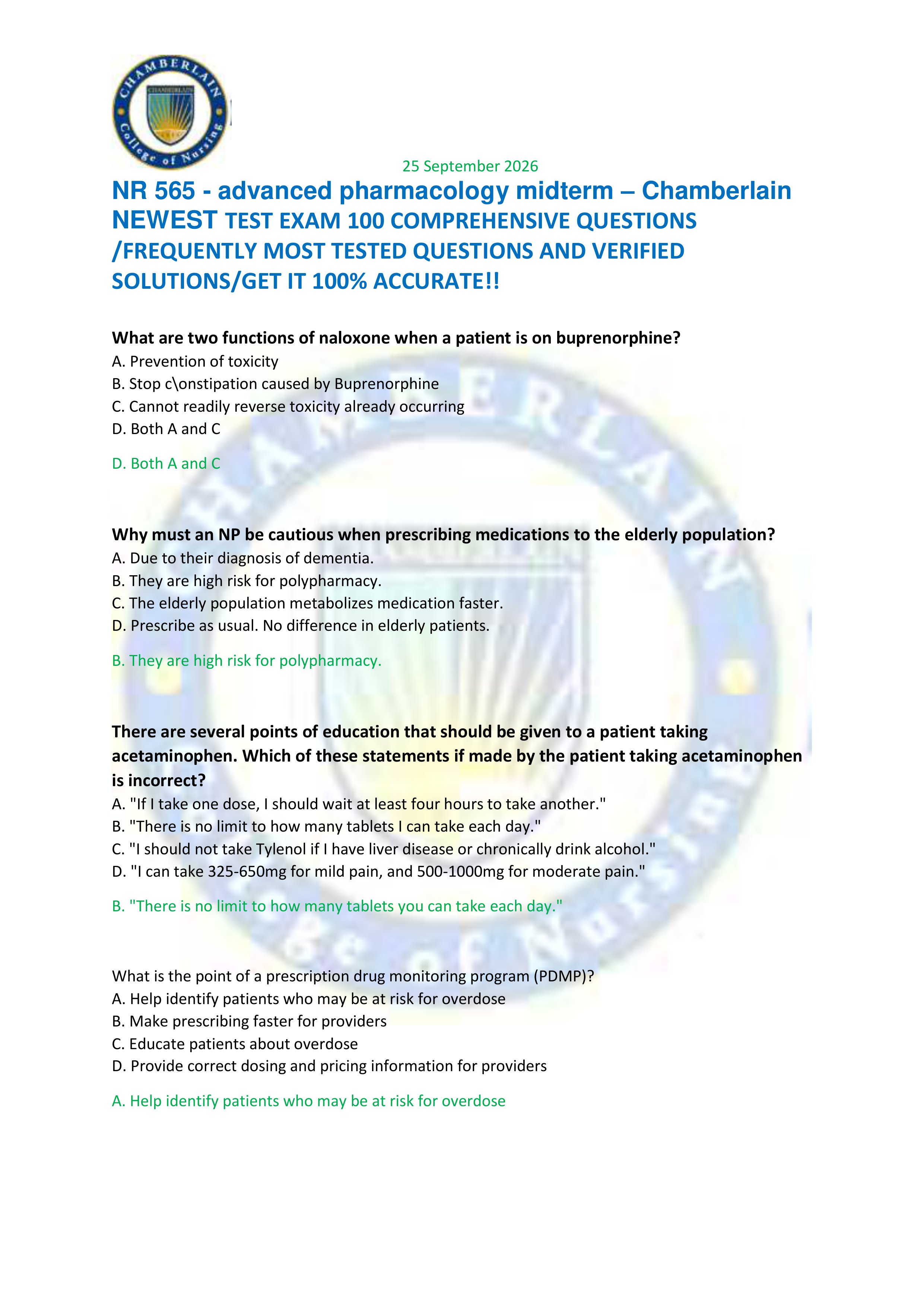
NR 565 - advanced pharmacology midterm – Chamberlain NEWEST TEST EXAM 100 COMPREHENSIVE QUESTIONS /FREQUENTLY MOST TES
Walden University · Nursing and midwifery
14 pagesUndergraduate
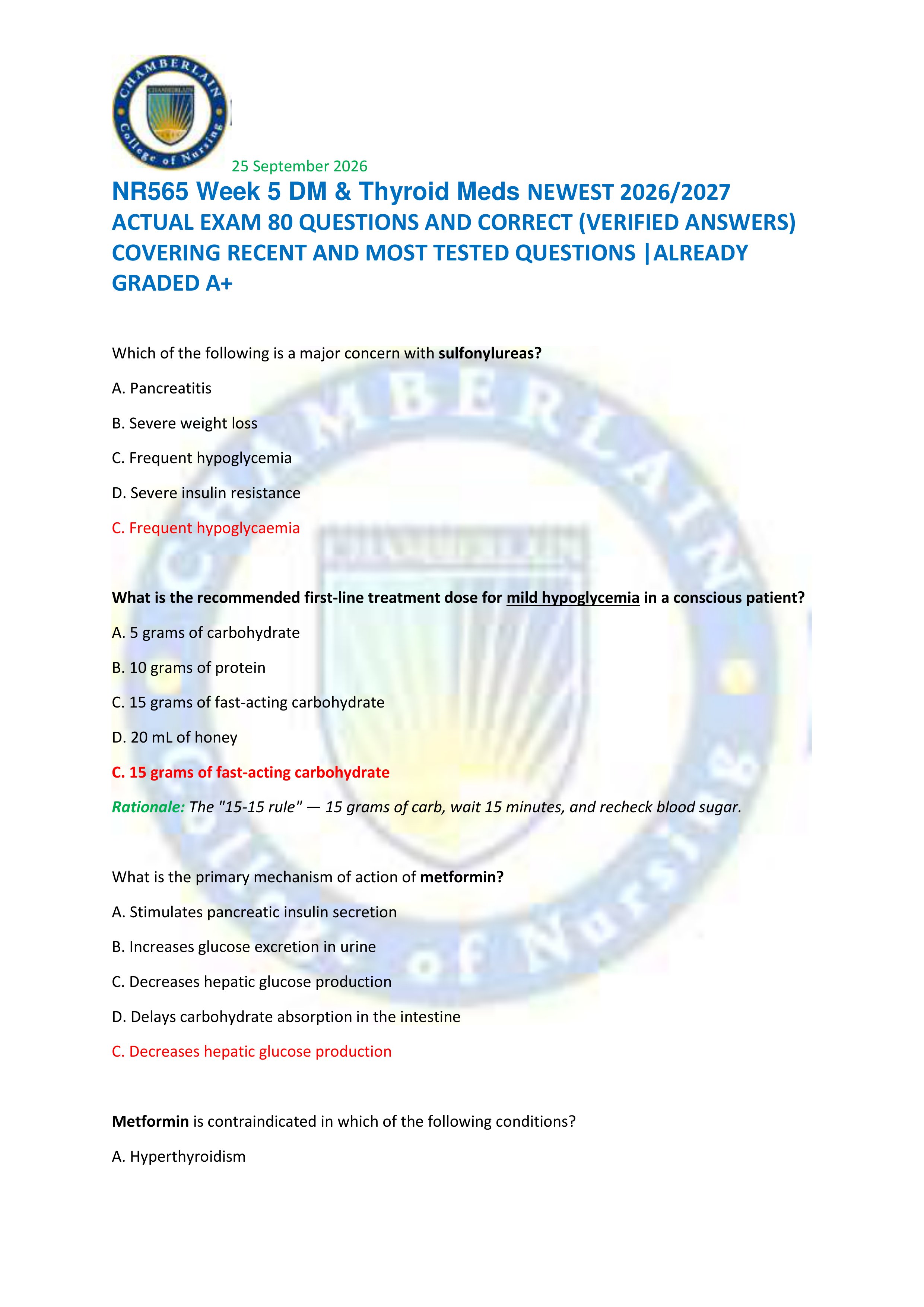
NR565 Week 5 DM & Thyroid Meds NEWEST 2026/2027 ACTUAL EXAM 80 QUESTIONS AND CORRECT (VERIFIED ANSWERS) COVERING RECEN
Walden University · Nursing and midwifery
19 pagesUndergraduate
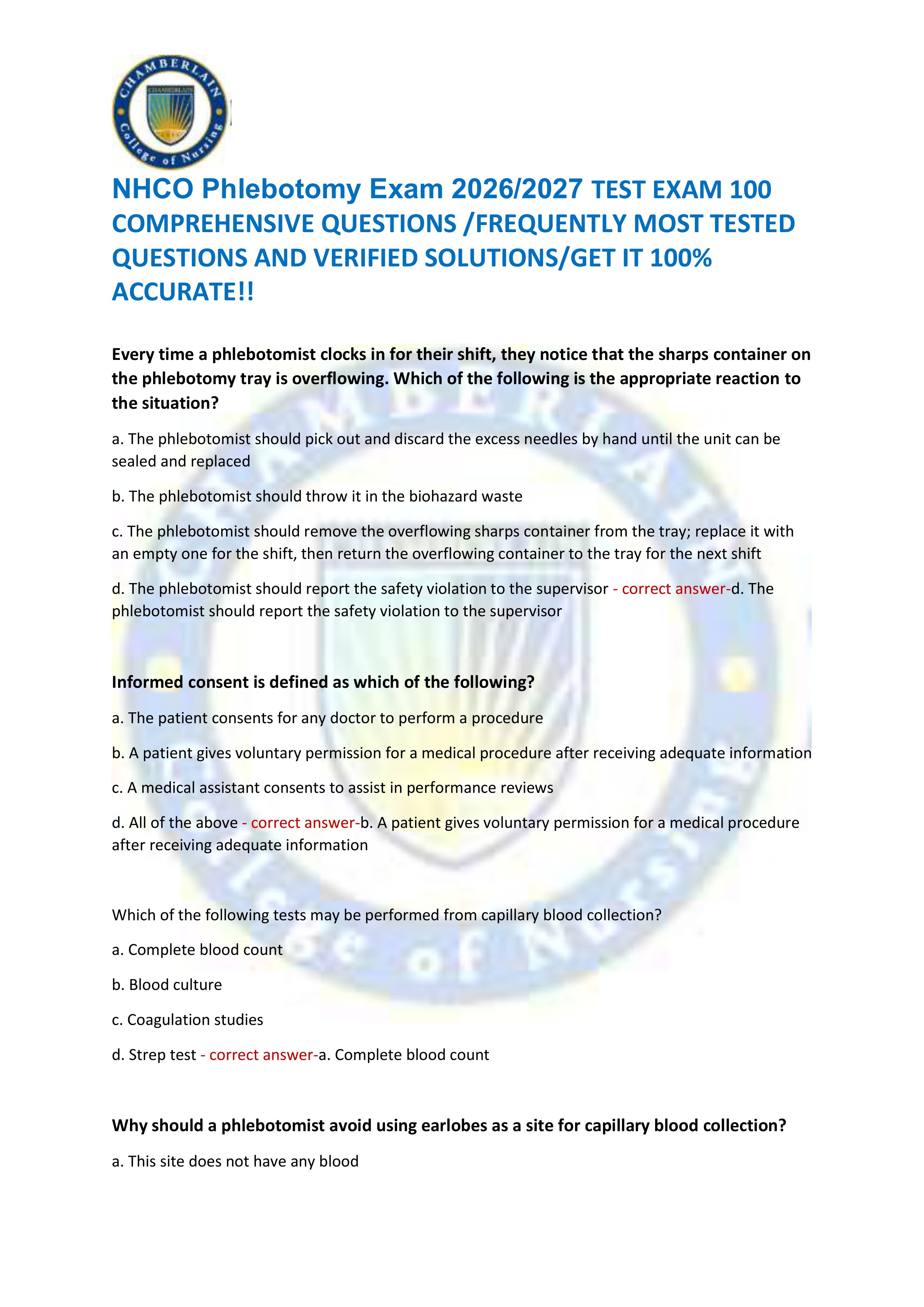
NHCO Phlebotomy Exam 2026/2027 TEST EXAM 100 COMPREHENSIVE QUESTIONS /FREQUENTLY MOST TESTED QUESTIONS AND VERIFIED SO
Walden University · Nursing and midwifery
24 pagesUndergraduate
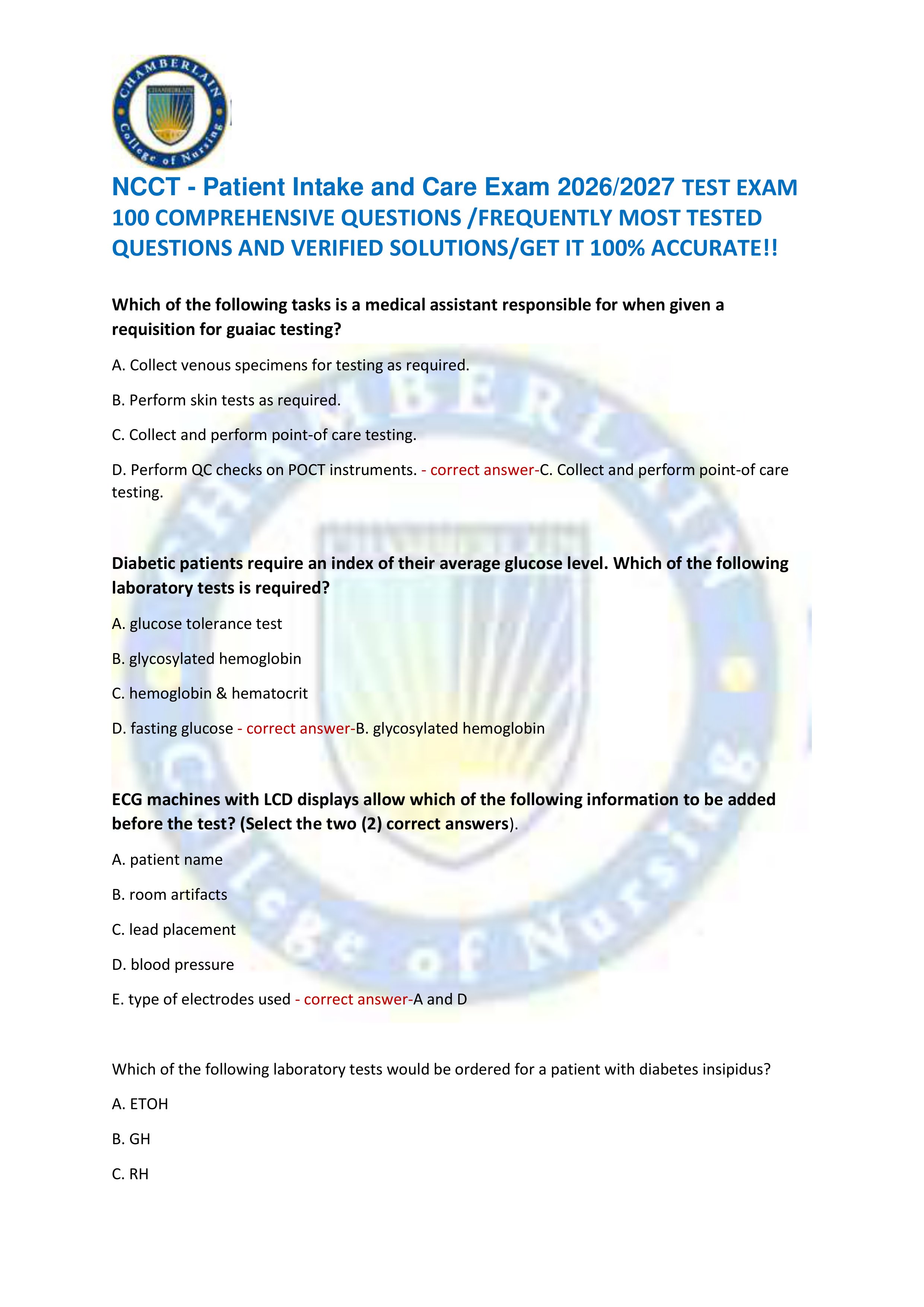
NCCT - Patient Intake and Care Exam 2026/2027 TEST EXAM 100 COMPREHENSIVE QUESTIONS /FREQUENTLY MOST TESTED QUESTIONS
Walden University · Nursing and midwifery
21 pagesUndergraduate
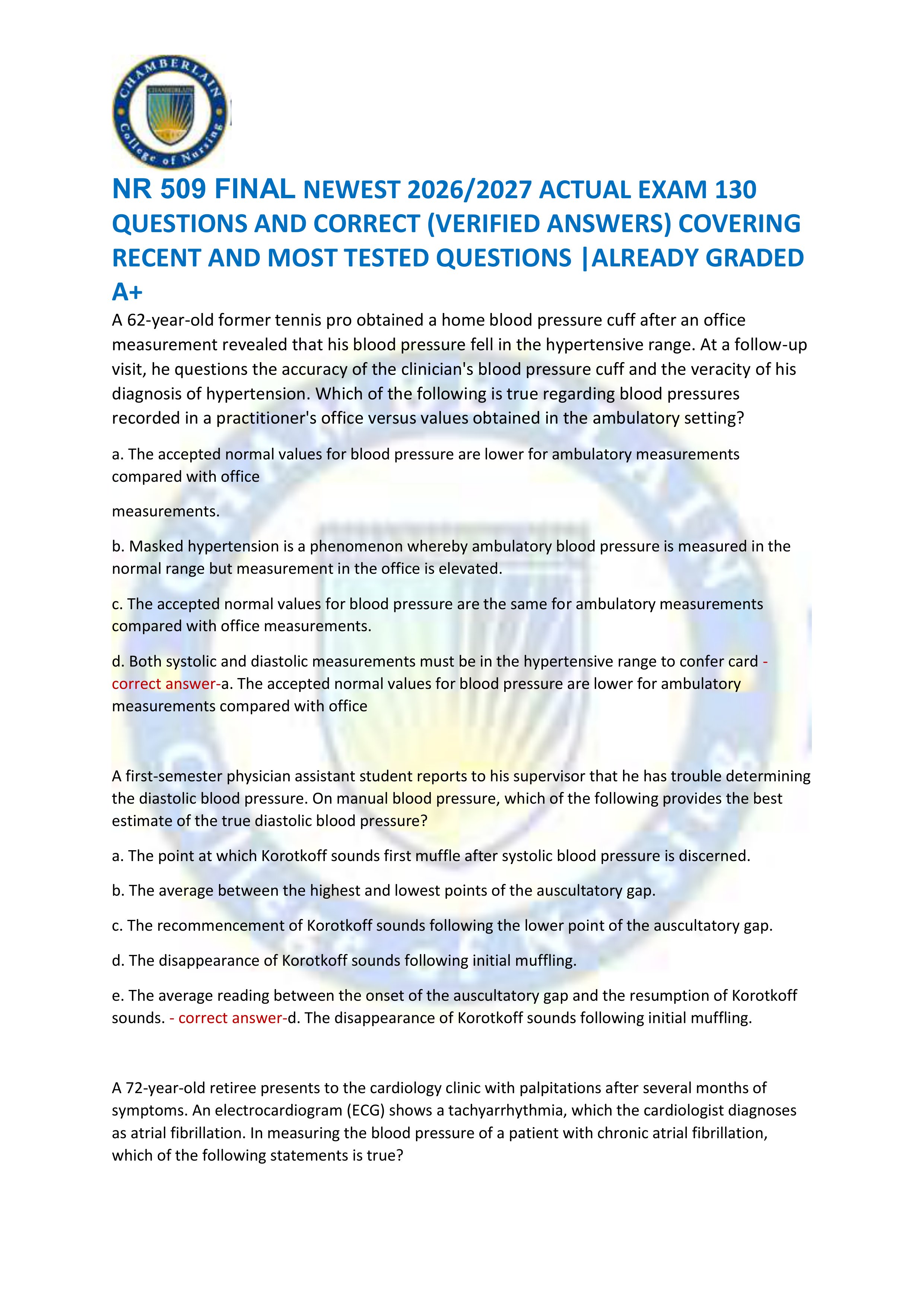
NR 509 FINAL NEWEST 2026/2027 ACTUAL EXAM 130 QUESTIONS AND CORRECT (VERIFIED ANSWERS) COVERING RECENT AND MOST TESTED
Walden University · Nursing and midwifery
33 pagesUndergraduate
NR 509 Midterm NEWEST 2026/2027 ACTUAL EXAM 130 QUESTIONS AND CORRECT (VERIFIED ANSWERS) COVERING RECENT AND MOST TEST
Walden University · Nursing and midwifery
36 pagesUndergraduate
CMSRN NEWEST 2026/2027 ACTUAL EXAM 80 QUESTIONS AND CORRECT (VERIFIED ANSWERS) COVERING RECENT AND MOST TESTED QUESTIO
Walden University · Nursing and midwifery
18 pagesUndergraduate